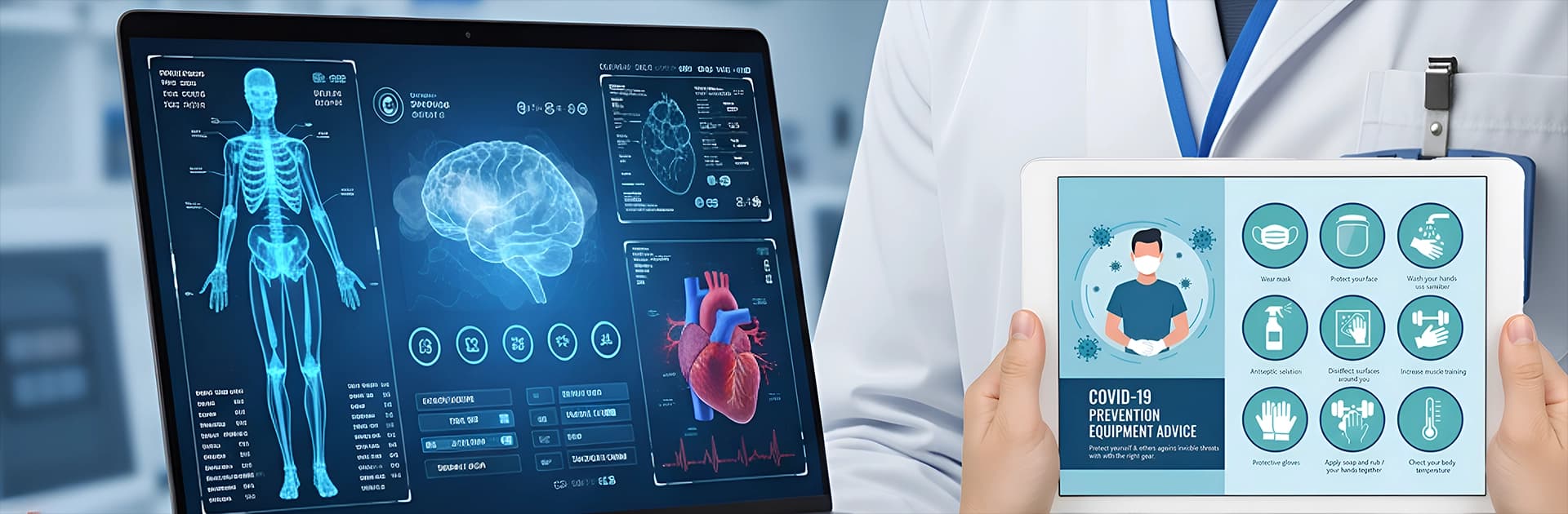
Empower hospitals, clinics, and healthcare startups with intelligent, secure, and interoperable digital health platforms. From patient monitoring to predictive diagnostics, we enable seamless healthcare delivery powered by innovation and automation.
Our developers build HIPAA-compliant, AI-driven healthcare software that enhances patient outcomes, optimizes hospital operations, and enables connected care. We integrate telemedicine, IoT devices, and analytics for smarter, more accessible healthcare systems.










We design smart, secure, and scalable healthcare software powered by AI and IoT. From predictive diagnostics to connected care, our solutions improve clinical efficiency, patient experience, and operational excellence across the medical ecosystem.
Empower healthcare professionals with intelligent image analysis tools. Use deep learning models to detect diseases from X-rays, MRIs, and CT scans. Automate radiology workflows and reduce human error in diagnostics. Enable faster, data-backed clinical decisions through visual insights. Improve patient outcomes with accurate, early-stage disease detection.

Leverage IoT-enabled wearables to continuously track patient vitals. Connect devices to secure cloud dashboards for real-time monitoring. Reduce hospital readmissions through proactive health interventions. Empower clinicians with instant alerts and trend-based insights. Deliver continuous, preventive care beyond traditional facilities.
Automate patient scheduling and streamline clinical operations. Reduce administrative workload through intelligent process management. Integrate billing, records, and notifications into one seamless flow. Minimize patient wait times and boost satisfaction levels. Optimize staff utilization for greater operational efficiency.
Transform healthcare data into actionable insights using AI analytics. Identify high-risk patients through predictive modeling techniques. Support personalized medicine with accurate treatment forecasting. Reduce costs by preventing complications and avoidable readmissions. Empower providers with real-time, data-driven clinical intelligence.

Accelerate R&D pipelines with AI-based molecular modeling and screening. Use predictive algorithms to identify effective compounds faster. Optimize clinical trial designs and improve approval success rates. Integrate data from labs, trials, and genomics for unified insights. Reduce costs while enabling faster, safer drug development cycles.

Protect sensitive healthcare data with end-to-end encryption systems. Maintain full regulatory compliance with HIPAA, GDPR, and HL7 standards. Monitor access, detect threats, and prevent unauthorized breaches. Implement automated auditing and security governance tools. Build trust through secure, compliant digital healthcare platforms.


Seamlessly integrate patient records across hospitals, labs, and clinics with secure, interoperable APIs.EHR development services

Deliver remote consultations, prescriptions, and follow-ups via encrypted, real-time video and chat systems.

Automate patient admissions, claims, and billing to improve accuracy and reduce administrative workload.

Visualize vital healthcare KPIs like recovery rates, readmission trends, and treatment effectiveness. Monitor operational efficiency and staff performance in real time. Gain actionable insights through data-driven analytics. Improve patient outcomes with predictive health models. Make informed strategic decisions with centralized dashboards.

Implement multi-layered security frameworks to protect sensitive patient data. Use encryption, secure logins, and audit trails to maintain integrity. Ensure full compliance with HIPAA and global healthcare standards. Identify and respond to security threats proactively. Build trust through privacy-first healthcare software systems.


Develop smart mobile and wearable health apps for patient engagement. Enable real-time monitoring of vitals, fitness, and medication adherence. Integrate data from wearables and IoT devices seamlessly. Enhance chronic disease management through continuous tracking. Empower patients with self-care tools and health insights.

Leverage AI algorithms to assist healthcare professionals in diagnosis. Analyze large-scale data for treatment planning and risk assessment. Deliver predictive insights for preventive care and outcomes. Improve clinical precision with real-time recommendations. Transform patient care through intelligent, data-driven decisions.
Our healthcare software developers build intelligent digital systems to streamline hospital operations, enhance patient care, and improve overall clinical efficiency.healthcare management software

Track patient vitals, treatment progress, and history in real time. Enhance care coordination with smart monitoring dashboards.patient management software
Digitize medical records for secure and quick access. Enable seamless data sharing between doctors, labs, and pharmacies.ehr software

Simplify patient booking and doctor scheduling. Reduce wait times and improve hospital resource utilization efficiently.appointment management system
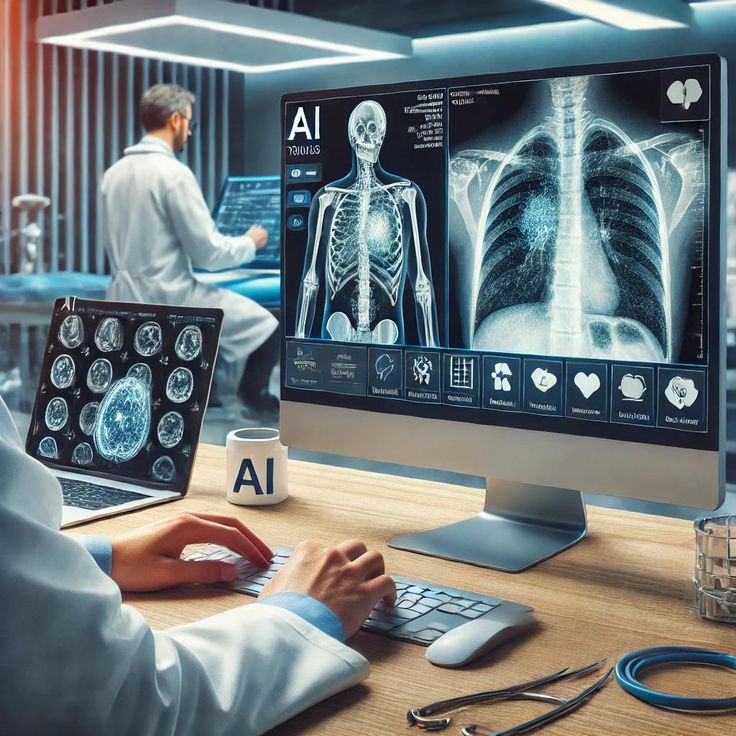

Connect patients and doctors remotely via secure video calls. Expand care access and improve engagement through telehealth.

Monitor drug stocks, expiries, and supplies in real time. Optimize procurement and ensure medication availability anytime.
Generate reports on patient outcomes and performance KPIs. Leverage data-driven insights for better clinical decisions.
Digital healthcare involves the use of technology such as telemedicine, electronic health records (EHR), mobile health apps, and AI-powered diagnostic tools to enhance patient care, streamline workflows, and improve medical outcomes.
Telemedicine allows patients to consult with healthcare professionals remotely through video calls, chat, or mobile apps. It provides convenient access to care, reduces travel time, and enables real-time monitoring of chronic conditions.
EHR systems centralize patient data, making it accessible to authorized medical staff across multiple departments. They improve diagnosis accuracy, reduce paperwork, enable better care coordination, and enhance patient safety.
AI supports healthcare through predictive analytics, early disease detection, personalized treatment plans, and workflow automation. Machine learning algorithms analyze medical images, patient history, and clinical data to assist doctors in decision-making.
Remote patient monitoring uses wearable devices, mobile apps, and connected sensors to track vital signs such as heart rate, blood pressure, and glucose levels. Data is transmitted to healthcare providers for timely intervention and proactive care.
Healthcare platforms follow strict security protocols, including HIPAA/GDPR compliance, encryption, role-based access, and secure cloud storage, ensuring sensitive patient data remains private and protected from unauthorized access.
Yes. Modern healthcare software can integrate with hospital management systems, lab systems, pharmacy management, and EHR platforms to enable seamless data flow, unified reporting, and efficient care delivery.
Key features include telemedicine consultations, patient portals, appointment scheduling, EHR integration, analytics dashboards, automated reminders, and secure messaging. These features improve patient engagement, operational efficiency, and care quality.
Healthcare apps allow patients to book appointments, access medical records, receive health tips, track medication schedules, and communicate with providers. This increases adherence to treatment plans and fosters proactive health management.
The future of healthcare technology focuses on AI-driven diagnostics, precision medicine, wearable health devices, virtual care, and interoperable systems. These innovations aim to deliver faster, safer, and more personalized patient care.
